Jun 25
Korean War Begins
North Korea invaded South Korea, drawing the US into a three-year conflict that would define Cold War policy.
War — respectful tone toward casualties
🇺🇸United States · 50s
The Postwar Boom Begins
Korea, television, and the dawn of the suburban dream.
4 milestones of 1950
North Korea invaded South Korea, drawing the US into a three-year conflict that would define Cold War policy.
War — respectful tone toward casualties
Senator Joseph McCarthy claimed to have a list of 205 communists in the State Department, igniting years of political paranoia.
Political persecution — nuanced, mention harm to innocent people
Diners Club introduced the first universal credit card, changing how Americans paid for everything.
TV ownership jumped from 9% to 26% of US households. Shows like 'Texaco Star Theater' made TV the new family hearth.
70% local · 30% international

All About Eve
Joseph L. Mankiewicz — Best Picture winner. Bette Davis at her sharpest.

Sunset Boulevard
Billy Wilder — Dark Hollywood satire. 'I'm ready for my close-up.'

Cinderella
Clyde Geronimi — Disney's return to animated features after wartime.
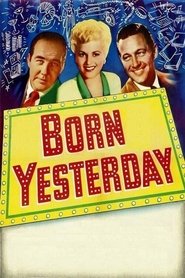
Born Yesterday
George Cukor — Box office hit in the US — TMDB 7.3

The Men
Fred Zinnemann — Box office hit in the US — TMDB 7.0
Texaco Star Theater
1948-1956 — Milton Berle was 'Mr. Television' — America's first TV star.
The Lone Ranger
1949-1957 — Cowboys and justice — every kid wanted a mask.
What's My Line?
1950-1967 — Panel game show that became a Sunday night institution.
Currency: USD
Inflation: 1.3%
Postwar prosperity — America was the world's factory and wages were rising.
Inflation-adjusted values
Color TV prototypes
CBS demonstrated color broadcasts, though sets wouldn't be affordable for years.
UNIVAC computer
First commercial computer being built for the Census Bureau.
Long-distance phone calls
Still expensive — a 3-minute coast-to-coast call cost $2.50 (about $30 today).
Download or share cards from this year
1200×630 · WhatsApp/Facebook